By the An Space team, Đà Nẵng
Published · Updated · 13 min read
Deciding where to live in Đà Nẵng mostly comes down to river or sea. Six areas cover most long stays: An Hải and Hải Châu on the Han River, Mỹ Khê and An Thượng by the beach, quiet Ngũ Hành Sơn about 8 km south of the centre, and the green Sơn Trà foothills. Compared below, as of October 2026.
Where to live in Đà Nẵng: how the city is laid out
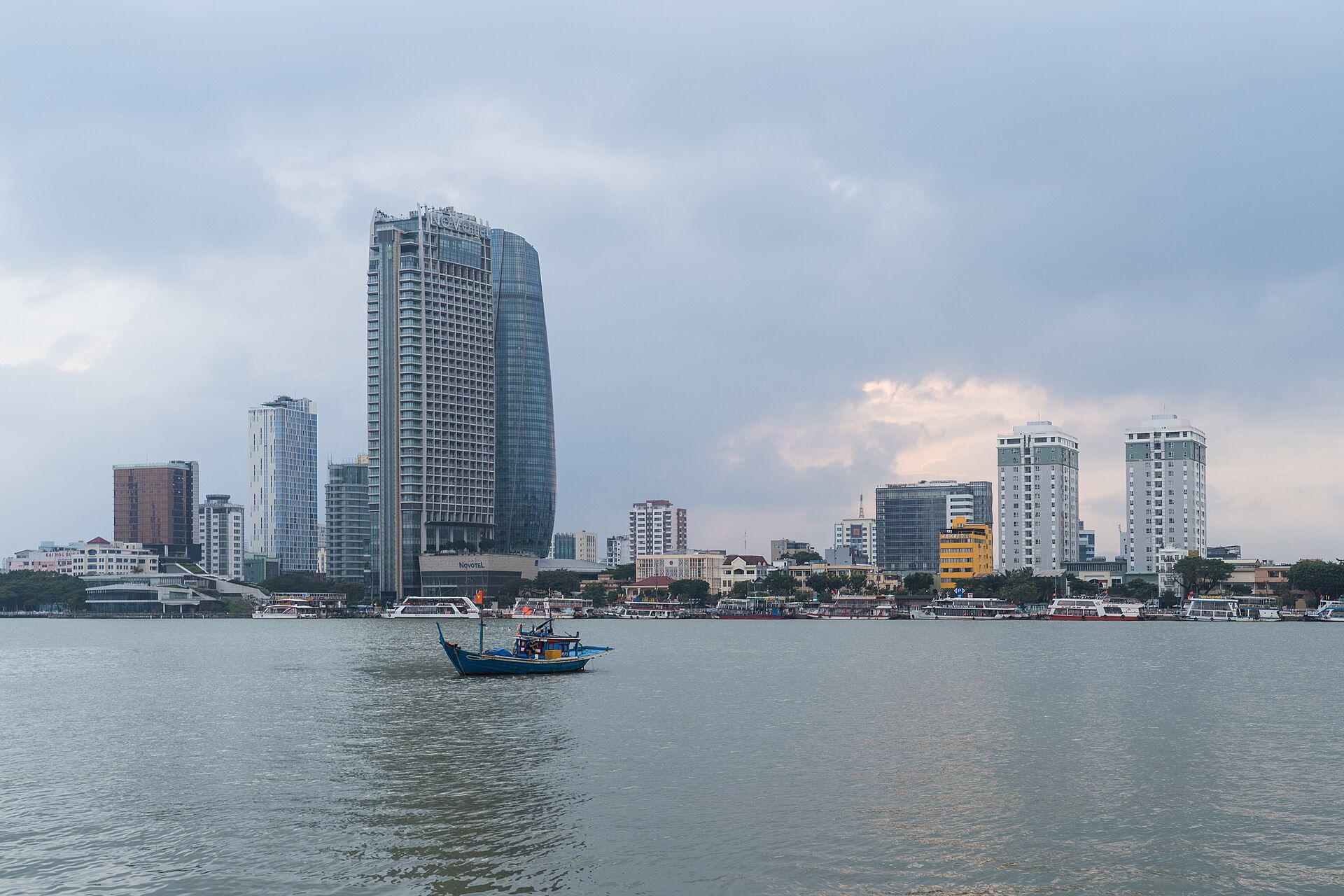
The Han River splits Đà Nẵng into two halves. The west bank is the older commercial centre, with Hàn Market, offices and dense city streets. The east bank is the strip between the river and the sea, with the riverside on one side and the long city beach on the other.
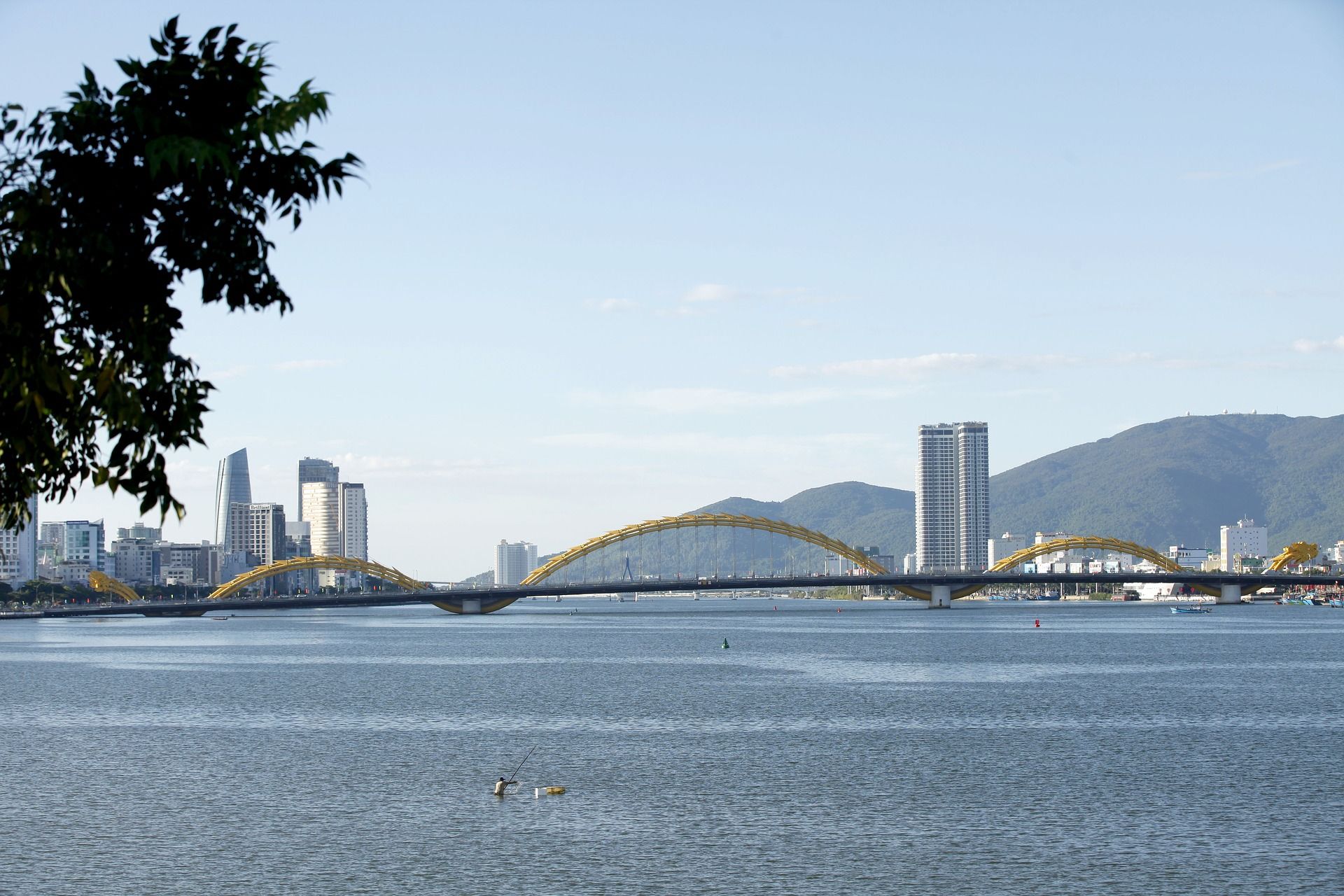
The best-known link between them is the Dragon Bridge, 666 m long, which gives the most direct route from the centre to Mỹ Khê Beach (Danang Fantasticity). At the northern tip of the east bank rises the Sơn Trà peninsula, about 10 km northeast of the centre (Danang Fantasticity). Follow the beach road south and you reach An Thượng, then the Marble Mountains, roughly 8 km from the centre (Danang Fantasticity).
Since 1 July 2025, Đà Nẵng includes the former Quảng Nam province, with about 3 million people in 94 commune-level units (Viet Nam News). For long-stayers, though, daily life still happens in a small band of urban wards along the river and the coast.
Đà Nẵng neighborhoods after 2025: old district names, new wards
Older guides divide Đà Nẵng into districts such as Sơn Trà, Hải Châu and Ngũ Hành Sơn. Those districts no longer exist: all district-level administrations in Vietnam stopped operating on 1 July 2025, leaving two tiers, provinces and cities above, communes and wards below (Tuổi Trẻ News).
Đà Nẵng’s new wards were set by Resolution 1659/NQ-UBTVQH15 of 16 June 2025 (Báo Đà Nẵng, in Vietnamese). Some old names live on for smaller areas:
- An Hải ward: the former Phước Mỹ, An Hải Bắc and An Hải Nam wards, covering the east riverbank and the Phước Mỹ stretch of the beachfront.
- Sơn Trà ward: the former Thọ Quang, Nại Hiên Đông and Mân Thái wards, towards the peninsula.
- Hải Châu ward: the old core of the west bank. The southern part of the old district is now Hòa Cường ward.
- Ngũ Hành Sơn ward: the former Mỹ An, Khuê Mỹ, Hòa Hải and Hòa Quý wards, from An Thượng down to the Marble Mountains.
People still use the old district names as informal area names, and some maps and listings have not caught up. That is how we use them below.
Đà Nẵng neighborhoods compared at a glance
Each area suits a different routine. Here is how they compare on what long-stayers usually weigh up:
| Area | Vibe | Beach | River | Evening noise | Best for |
|---|---|---|---|---|---|
| An Hải (riverside) | Local streets, cafés, river walks | Walk or short ride | On the doorstep | Moderate, busy near the bridge on show nights | Remote workers, couples |
| Mỹ Khê / Phước Mỹ | Beachfront towers and hotels | On the doorstep | Short ride | Busy on the beach road | Swimmers, surfers, families |
| An Thượng | International, bars, Western food | Short walk | Ride | The liveliest | Social stays, first weeks |
| Hải Châu (west bank) | City centre and markets | Cross a bridge | Bạch Đằng promenade | City traffic | City lovers, language learners |
| Ngũ Hành Sơn / Non Nước | Spread out, resorts | Quieter beach | Far | Low | Families, quiet long stays |
| Sơn Trà foothills | Green, residential | Varies | No | Low | Nature lovers |
The borders are soft. A quiet lane in An Thượng can be calmer than a main road in An Hải, so treat the table as a starting point and check the street itself.
An Hải: living by the Han River in Đà Nẵng
An Hải is the riverside half of the east bank. Its draw is balance: evening walks along the river, local street kitchens and family restaurants, and Mỹ Khê Beach a walk or a short Grab ride away. Hải Châu is a few minutes over one of the bridges.
The Dragon Bridge lands on this side, and its fire and water show starts at 21:00 on Fridays, Saturdays, Sundays and major holidays (Danang Fantasticity). That is a highlight if you live nearby, and also a reason to expect crowds around the bridge on those nights.
The city’s goals for 2025–2030 aim to make An Hải a centre for beach tourism and local culture, with a focus on riverside landscaping and the night economy (danang.gov.vn, in Vietnamese). Expect a livelier riverfront in the coming years.
Pros: river walks, local food, short rides to the beach and the centre, everyday shops nearby. Cons: you are not on the sand, main roads are busy at rush hour, and the streets near the bridge get crowded at weekends.
An Space is one example here: furnished apartments at 20/5 Hà Thị Thân, a 2-minute walk from the Han riverfront and about 5 minutes on foot from the Dragon Bridge. Stays start from six weeks, at 10M VND per month for a studio up to 15M VND for a one bedroom with a guest room, plus a deposit of one month’s rent. One guest, Steven R., wrote: “Excellent location next to dragon bridge and exceptionally clean property.”
Like the idea of living by the river, with the beach a short ride away? Check availability at An Space and send us your dates.
Mỹ Khê and Phước Mỹ: beach life in Đà Nẵng
Mỹ Khê is the beach most people picture when they think of Đà Nẵng. The tourism office describes fine white sand, gentle waves, and designated areas for swimming and surfing, with a rescue team on duty (Danang Fantasticity). It runs along the Hoàng Sa and Võ Nguyên Giáp coast road.
The streets behind the beach, around the former Phước Mỹ ward, are full of hotels, apartment towers, seafood restaurants and cafés. If your ideal day starts with a swim at sunrise, this is the place.
Pros: the sea on your doorstep, sea breeze, beach walks morning and evening. Cons: the coast road is busy, many buildings are aimed at short holidays rather than long stays, and the sea can be rough in the rainy months.
For families, Mỹ Khê is often the first choice because the beach becomes the playground. Ask about lifts, balcony railings and road noise before you book.
An Thượng: Đà Nẵng’s “street of foreigners”
The An Thượng tourist quarter sits a short walk from the beach, bounded by Võ Nguyên Giáp, Hoàng Kế Viêm, Châu Thị Vĩnh Tế and Ngô Thị Sĩ streets, in today’s Ngũ Hành Sơn ward (Báo Đà Nẵng). Long known as the “street of foreigners”, it has bars, pubs, live music, and Asian and European food next to local dishes like mì Quảng and bánh xèo.
The city keeps investing: a second upgrade worth about 105 billion ₫ runs from 2025 to 2027 and adds a central square and an outdoor stage (same source).
Pros: easy to settle in, many places used to foreign guests, a ready-made community, the beach minutes away. Cons: the liveliest nights of the six areas, construction until 2027, and a more tourist-oriented feel than An Hải or Hải Châu.
An Thượng works well for your first weeks. If you need quiet for early calls, look at the side lanes or a calmer area.
Hải Châu: the city centre on Đà Nẵng’s west bank
Hải Châu is the old heart of Đà Nẵng. Hàn Market at 119 Trần Phú sells fabrics, fruit, fish sauce and local dried foods (Danang Fantasticity), and the riverside along Bạch Đằng street makes a fine evening walk.
Living here feels like living in a Vietnamese city rather than a beach resort. Offices, banks, markets and schools are close together, and many restaurants cater to locals. It suits you if you want to practise Vietnamese or prefer city energy to beach life.
Pros: everything for daily life within reach, real local life, markets and services. Cons: the beach means crossing a bridge, traffic is heavier, and parts of the centre flood in extreme rain. In October 2022, older residential areas in Hải Châu and Thanh Khê were hit especially hard because their drainage had not yet been upgraded (VnExpress International).
Ngũ Hành Sơn and Non Nước: quiet south Đà Nẵng
South of An Thượng, the city thins out. Around the Marble Mountains, five limestone peaks named after the five elements, the pace is slower, with resorts, wide roads and the long sweep of Non Nước Beach (vietnam.travel). The Non Nước stone carving village at their foot was recognised as national intangible cultural heritage in 2014 (Danang Fantasticity).
This area suits people who want space and calm more than a café on every corner. Families often like the quieter beach, and the caves make an easy morning outing.
Pros: quiet nights, a less crowded beach, resort facilities. Cons: you are roughly 8 km from the centre, so a scooter or regular Grab rides become part of daily life, and services are more spread out. For a family stay of three months or more it is worth a serious look; for a short, social stay the distance can feel long.
The Sơn Trà foothills: green north Đà Nẵng
The Sơn Trà peninsula is the city’s green lung: 4,390 hectares of forested hills, home to nearly 300 rare red-shanked douc langurs (Danang Fantasticity). The residential streets at its foot, mostly in today’s Sơn Trà ward, are quieter and more local than the beach strip further south.
Living here suits people who like to ride up into the hills in the morning. The peninsula roads have visiting hours: 7:30–18:30 from March to September and 7:30–17:30 from October to February (same source).
Pros: green views, fewer tourists, quick access to the peninsula. Cons: further from the main café streets, fewer long-stay apartments aimed at foreigners, and you will rely on a scooter or Grab for most errands.
Flooding and the rainy season: where to live in Đà Nẵng from September to December
The rainy season runs from September to December, with the most rain from October to December (Danang Fantasticity). If your stay falls in these months, flooding matters more than sea views.
Street flooding can happen in many parts of the city during extreme rain. The drainage system is built for 100–200 mm of rain per day, which storms can exceed (VnExpress International). In November 2024, roads near hospitals in Hải Châu stood under 0.3–0.5 m of water after up to 155 mm fell in three hours (VnExpress International). In late October 2025, the city declared an emergency as more than 65,000 households were affected by flooding (Viet Nam News).
Practical checks beat ranking areas:
- Ask the landlord whether the lane floods and how deep it got in past storms.
- Prefer an apartment above the ground floor, with a lift.
- Keep water, food and a power bank at home when a storm is forecast.
Our Đà Nẵng rainy season guide covers the months in detail.
Best area to stay in Đà Nẵng for your kind of stay
The best area to stay in Đà Nẵng depends on your daily routine:
- Remote workers: An Hải, for cafés, river walks and short rides to the beach and the centre. Our guide for digital nomads in Đà Nẵng covers visas, SIM cards and coworking.
- Beach lovers and surfers: Mỹ Khê and the streets behind it.
- Social first-timers: An Thượng, then move if you want quieter nights.
- City lovers and language learners: Hải Châu.
- Families on a long stay: Ngũ Hành Sơn for space, or calm lanes in An Hải for walkable errands.
- Nature lovers: the Sơn Trà foothills.
Whatever you pick, the street matters as much as the area. Visit at night, because a peaceful lane at noon can host karaoke after dark. Walk to the nearest supermarket and pharmacy, and get the price, deposit, inclusions and minimum stay in writing.
If a quiet lane by the Han River with a café downstairs sounds right, message us with your dates. We will tell you which apartment is free and what is included.
FAQ: where to live in Đà Nẵng
What is the best area to stay in Đà Nẵng for a long stay?
There is no single best area. An Hải suits most remote workers because it combines the river, local food and short rides to the beach. Mỹ Khê suits beach lovers, and Ngũ Hành Sơn suits families who want quiet.
Is it better to live by the beach or by the river in Đà Nẵng?
Live by the beach if you swim every day and do not mind a busy coast road. Live by the river if you prefer local streets and evening walks. In Đà Nẵng the two are close, so the other is only a short ride away.
Do the old district names in Đà Nẵng still exist?
Not officially. Since 1 July 2025, Vietnam has no district level, so names like Sơn Trà, Hải Châu and Ngũ Hành Sơn are used informally for areas. Some survive as smaller wards with the same names.
Which ward is Mỹ Khê in after the 2025 reform?
The Phước Mỹ stretch of Mỹ Khê is now in An Hải ward, formed from the former Phước Mỹ, An Hải Bắc and An Hải Nam wards. The An Thượng area further south belongs to Ngũ Hành Sơn ward.
Is An Thượng a good place to live in Đà Nẵng?
It is good for a social stay or your first weeks, with bars, Western food and many foreigners. It is also the liveliest area at night, and the city is expanding the quarter until 2027, so light sleepers should check the street carefully.
Which Đà Nẵng neighborhoods flood in the rainy season?
Street flooding can happen in many parts of Đà Nẵng during extreme rain, especially from October to December. Older parts of Hải Châu and Thanh Khê were hit hard in 2022. Ask the landlord about past floods and choose a flat above the ground floor.
How much does an apartment in An Hải cost?
Prices vary by building. At An Space in An Hải, furnished apartments cost 10M VND per month for a studio, 13M VND for a corner studio and 15M VND for a one bedroom with a guest room (14.5M VND from 3 months), as of October 2026, plus a one-month deposit.
Sources
- Viet Nam News: New Đà Nẵng designated a key economic power (merger with Quảng Nam, 1 July 2025; 94 units)
- Tuổi Trẻ News: Vietnam abolishes district-level administration (two-tier system from 1 July 2025)
- Báo Đà Nẵng: National Assembly resolution on Đà Nẵng’s commune-level units, 2025 (Resolution 1659/NQ-UBTVQH15, in Vietnamese)
- Đà Nẵng city portal: developing An Hải ward into a centre for beach tourism (in Vietnamese)
- Danang Fantasticity: the Dragon Bridge show
- Danang Fantasticity: Mỹ Khê Beach
- Báo Đà Nẵng: An Thượng tourist quarter
- Danang Fantasticity: Hàn Market
- Danang Fantasticity: the Marble Mountains
- vietnam.travel: a walk around the Marble Mountains
- Danang Fantasticity: the Sơn Trà peninsula
- Danang Fantasticity: weather in Đà Nẵng
- VnExpress International: Rapid urbanization delivers Da Nang’s worst flooding ever (October 2022)
- VnExpress International: Heavy rain floods Da Nang streets (November 2024)
- Viet Nam News: Đà Nẵng declares emergency as heavy rains trigger flooding (October 2025)