By the An Space team, Đà Nẵng
Published · Updated · 13 min read
Coworking spaces in Vietnam give remote workers what cafés and apartments often can’t: a reliable desk, a quiet place for calls and people around you. You will find them in every big city, usually with day passes and monthly plans. Before you book, check the Wi-Fi backup, chairs, call booths and opening hours. Here is what matters, as of October 2026.
Why remote workers use coworking spaces in Vietnam
Vietnam is easy to work from: mobile data is cheap and coffee is everywhere. So why pay for a desk? Because after two weeks, most remote workers notice the same problems: the café gets loud at lunchtime, the apartment table hurts your back, and a client call from a bedroom never sounds professional.
A coworking space solves several of those at once:
- Focus. A room built for work, with people around you who are also working, makes deep work easier than a busy café.
- Stable internet. Good spaces run business connections and often a backup line, so one outage does not end your day.
- Calls. Phone booths and meeting rooms give you a quiet, neutral background for video calls.
- Community. Shared lunches, talks and after-work events are the fastest way to meet people when you arrive alone.
- A line between work and home. Leaving the apartment in the morning and coming back in the evening keeps your living space for living.
On a stay of several months, that last point often matters most: it turns a trip into a routine you can keep.
Remote work in Vietnam: a growing trend
Flexible work has become part of everyday life in Vietnam’s cities. In June 2026, Viet Nam News described how cafés have turned into informal offices, “from students attending online classes to freelancers meeting deadlines”, a trend linked to the growing popularity of remote work, particularly after the pandemic (Viet Nam News). The same article mentions hybrid coworking cafés with designated, paid work areas.
Dedicated workspaces are growing too. In September 2024, the state news agency reported a 20% increase in coworking space in Hồ Chí Minh City, with 120 coworking places in the city and five more due to open by the end of that year, based on an annual property market study (VietnamPlus). Central spaces attract large companies, while those outside the centre are dominated by small businesses and startups.
International remote workers are part of the picture. In May 2026, VnExpress described Đà Nẵng as a rising hub for digital nomads, pointing to low living costs and a favourable visa policy (VnExpress International).
Coworking in Vietnam: how the cities differ
Vietnam is long and its cities feel very different. The coworking scene follows the character of each place, so it helps to know what to expect before you choose a base.
Coworking in Hà Nội
The capital has a large startup and creative scene, with spaces in converted villas and office towers. Expect a strong local crowd of founders and small teams, with international remote workers mixed in.
Coworking in Hồ Chí Minh City
Vietnam’s business capital has the widest choice, from premium flexible offices in central towers to small neighbourhood spaces. Many members are companies, so private offices and meeting rooms are common. Traffic is heavy: living close to your desk saves a lot of time.
Coworking in Đà Nẵng
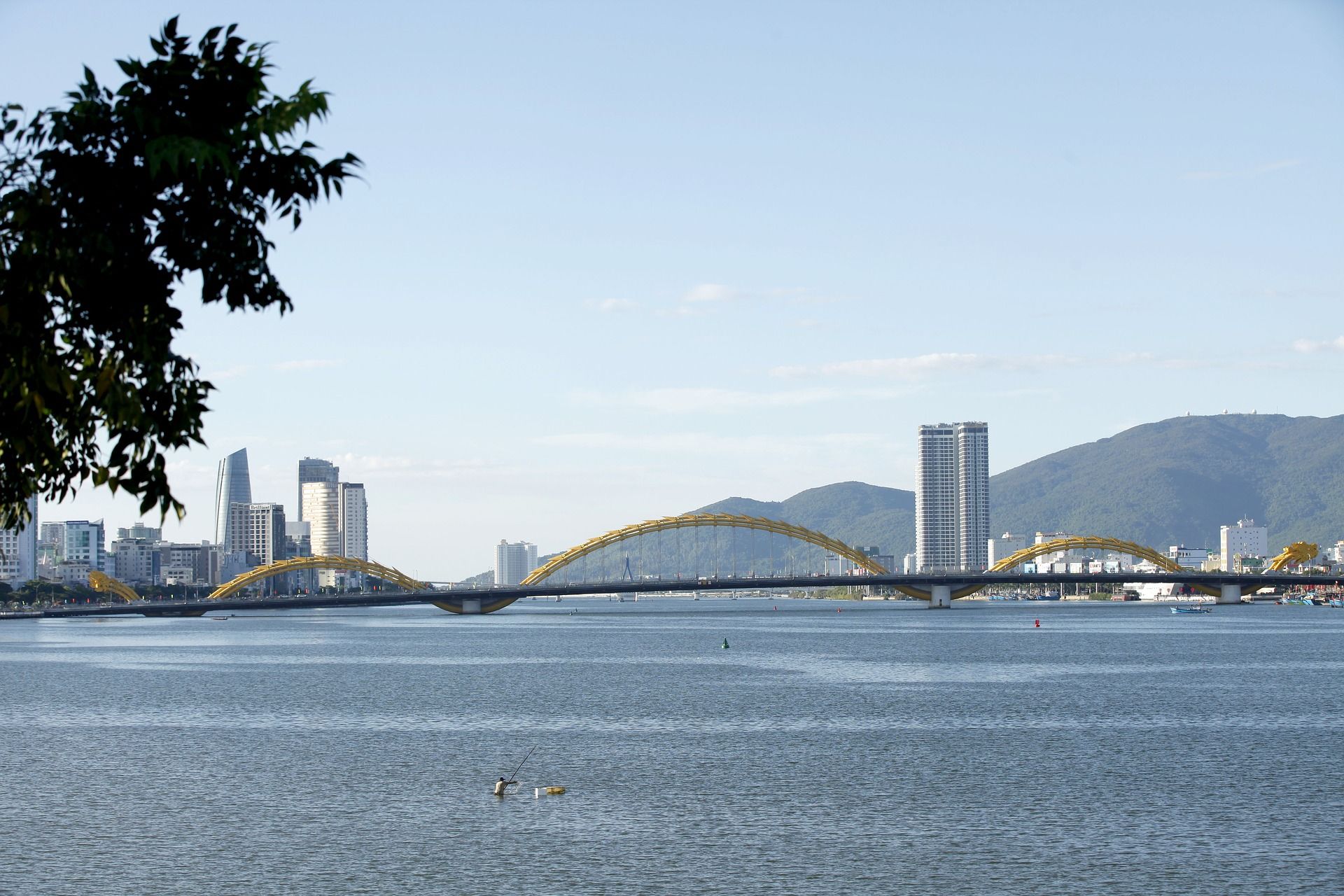
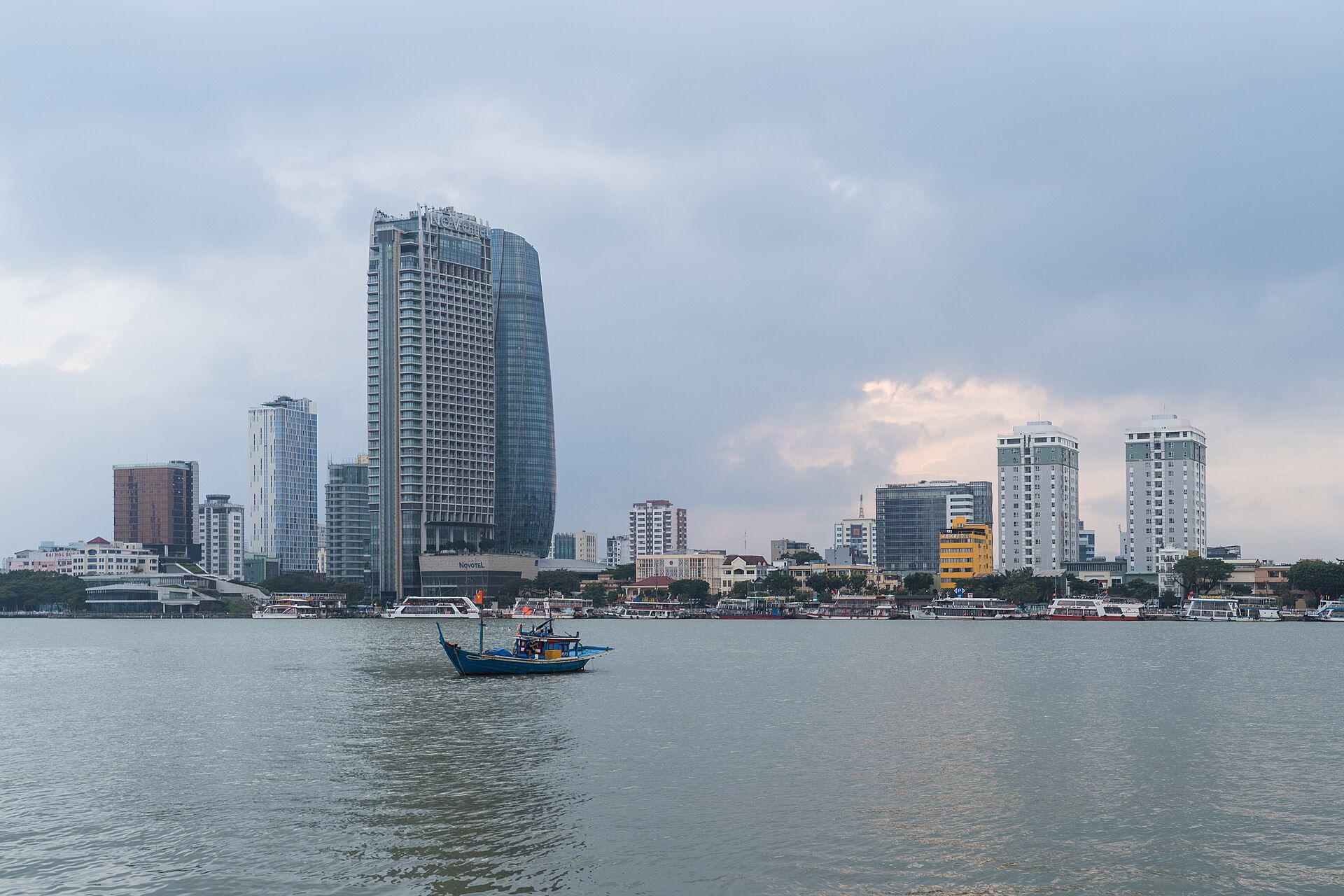
Đà Nẵng is smaller and calmer, with the beach and the Han River close to almost everything. Workspaces here lean towards individual remote workers and freelancers on longer stays, and living within walking distance of your desk is realistic. Our guide for digital nomads in Đà Nẵng covers neighbourhoods, transport and daily life.
Coworking in smaller hubs like Hội An and Đà Lạt
Smaller towns have fewer dedicated spaces, and many remote workers there use cafés or a desk at home. Hội An, which has been part of Đà Nẵng city since 1 July 2025 (Viet Nam News), is pleasant for a slower week. Đà Lạt’s cool highland climate suits focused work. In both, check the internet and the opening hours before you commit.
Coworking space memberships in Vietnam: what you can book
Prices vary widely, so compare current rates with each space. The membership types are fairly standard across Vietnam:
- Day pass. One day at any free desk, ideal for testing a space.
- Weekly pass. Useful for a short stay or a trial before a month.
- Monthly hot desk. Any free desk during opening hours, the usual choice for stays of a month or more.
- Dedicated desk. Your own fixed desk, often with a lockable drawer or locker, so you can leave a monitor and keyboard set up.
- Private office. A closed room for a small team, usually on a monthly or longer contract.
- Meeting rooms. Booked by the hour, sometimes with a few free hours included in a monthly plan.
Before you pay for a month, ask what is included: drinks, meeting room hours, a locker, access outside staffed hours. If you need invoices for business expenses, ask whether the space can issue one in your name or your company’s name, and what details they need.
Checklist: what to look for in a coworking space in Vietnam
A short tour tells you more than any photo. Bring your laptop and headphones, and check these points:
- Wi-Fi reliability and backup. Run a speed test at a desk, not next to the router. Ask if there is a second line or a mobile backup when the main connection drops.
- Power outlets. One at every desk, ideally without extension cables across the floor.
- Ergonomic chairs and desks. Adjustable chairs and desks at a sensible height matter more than design. Ask about monitor arms or external screens.
- Air conditioning. Cool enough, but not blowing directly onto your desk.
- Quiet zones and phone booths. Ask how many booths there are per member and whether they can be booked. A quiet zone keeps the main room calm.
- Lockers. Useful if you walk or ride a scooter and don’t want to carry your laptop everywhere.
- Opening hours. Check weekends and holidays, especially if your clients are in Europe or the Americas and your calls run into the evening.
- Coffee and drinks. Included, discounted or paid per cup.
- Kitchen. A fridge, a microwave and somewhere to eat away from the desks.
- Location and parking. Walkable from home, or with safe scooter parking.
- Natural light and plants. Daylight and greenery make long days noticeably easier.
- Community events. Workshops, lunches or after-work drinks.
Most people end up choosing the space with the best chair, the most reliable internet and the shortest walk.
Planning to work from Đà Nẵng? Join the waitlist for the An Space coworking and be the first to hear when it opens next to An Cafe.
Coworking vs. café vs. apartment: remote work in Vietnam compared
Most remote workers in Vietnam mix all three during a week. Each place has a clear strength:
| Workplace | Pros | Cons |
|---|---|---|
| Coworking space | Reliable internet, ergonomic desks, call booths, community, clear work hours | Membership cost, fixed opening hours, travel time |
| Café | Cheap, great coffee, variety, easy to find | Noise, music, limited outlets, uncomfortable chairs, long stays not always welcome |
| Apartment | No commute, private calls, flexible hours | Isolation, home and work blur, the desk may not be ergonomic |
Cafés are wonderful for an hour of emails or a change of scene. As Viet Nam News noted, some cafés have responded to all-day laptop users by restricting power outlets, limiting Wi-Fi or charging extra for extended stays (Viet Nam News), so order regularly and be a good guest.
Your apartment works for early calls and deep focus, if the desk is good. A coworking space fills the gap: a reliable base for the core of the week, with cafés and home as variety.
Internet and SIM cards for remote work in Vietnam
Mobile internet in Vietnam is fast in the cities and is the best backup for any workspace. The large networks sell SIM cards at airports and in phone shops. Viettel launched the country’s first commercial 5G service on 15 October 2024 (Vietnamese government portal); coverage depends on the area and your phone, so plan your work around 4G and treat 5G as a bonus.
Bring your original passport when you buy a SIM card. Under Decree 163/2024/ND-CP, Article 17, foreigners register a mobile subscription with a passport that is valid for their stay in Vietnam (Cần Thơ legal information portal, in Vietnamese). A SIM registered in your own name is less likely to be blocked later.
On your first day in a new coworking space, test both the Wi-Fi and a hotspot from your phone, so you can switch in seconds if one drops.
Time zones and calls when you work remotely from Vietnam
All of Vietnam runs on one official time, UTC+7, based on Government Decision 121-CP of 1967 (Luật Minh Khuê law firm, in Vietnamese). Vietnam does not switch to daylight saving time, so the gap to your clients only changes when their own clocks change.
With European clients, that usually means quiet mornings for focused work and calls in the afternoon or evening. With clients in the Americas, calls often fall very early or very late. Check whether your coworking space is open when your meetings actually happen, or take those calls from home. A phone booth you can book in advance is worth more than a fast connection in a noisy room.
Visas and remote work in Vietnam (as of October 2026)
As of October 2026, Vietnam has no dedicated digital nomad visa. VnExpress reported in May 2026 that remote workers come “even without a dedicated visa scheme for remote workers”, most of them on the three-month e-visa (VnExpress International).
Since 15 August 2023, citizens of all countries can apply for an e-visa of up to 90 days, single or multiple entry, under Government Resolution 127/NQ-CP (Viet Nam News). Apply only on the official portal, evisa.gov.vn, where the current fees are shown.
A coworking membership does not change your visa status. Whether working remotely for foreign clients or employers is allowed on your visa is your own responsibility, and the rules can change. If you are unsure, ask a Vietnamese immigration lawyer before you travel. This guide is general information, not legal advice.
Coworking in Đà Nẵng during the rainy season
Central Vietnam has two clear seasons. Đà Nẵng’s rainy season runs from September to December, and October, November and December bring most of the year’s rain, according to the city’s official tourism site (Danang Fantasticity). The dry season lasts from January to August, with the hottest days in June and July.
These are the months when an indoor workspace earns its price. Riding to a café in a downpour is no fun, and open terraces are empty. A space within walking distance, with a backup connection, keeps the work week steady. Our guide to the Đà Nẵng rainy season explains what to expect month by month.
Coworking in Đà Nẵng at An Space
At An Space in An Hải, on the east bank of the Han River, our own coworking space is opening soon, right next door to An Cafe. The opening date is not decided yet, so we keep a waitlist on the coworking page. Here is what we can already confirm:
- A free residents’ section for everyone living at An Space.
- A separate paid section for guests: monthly desks from 1.8M VND, a day pass 150,000 ₫ and hourly passes from 50,000 ₫.
- Ergonomic chairs and desks, plants and lockers.
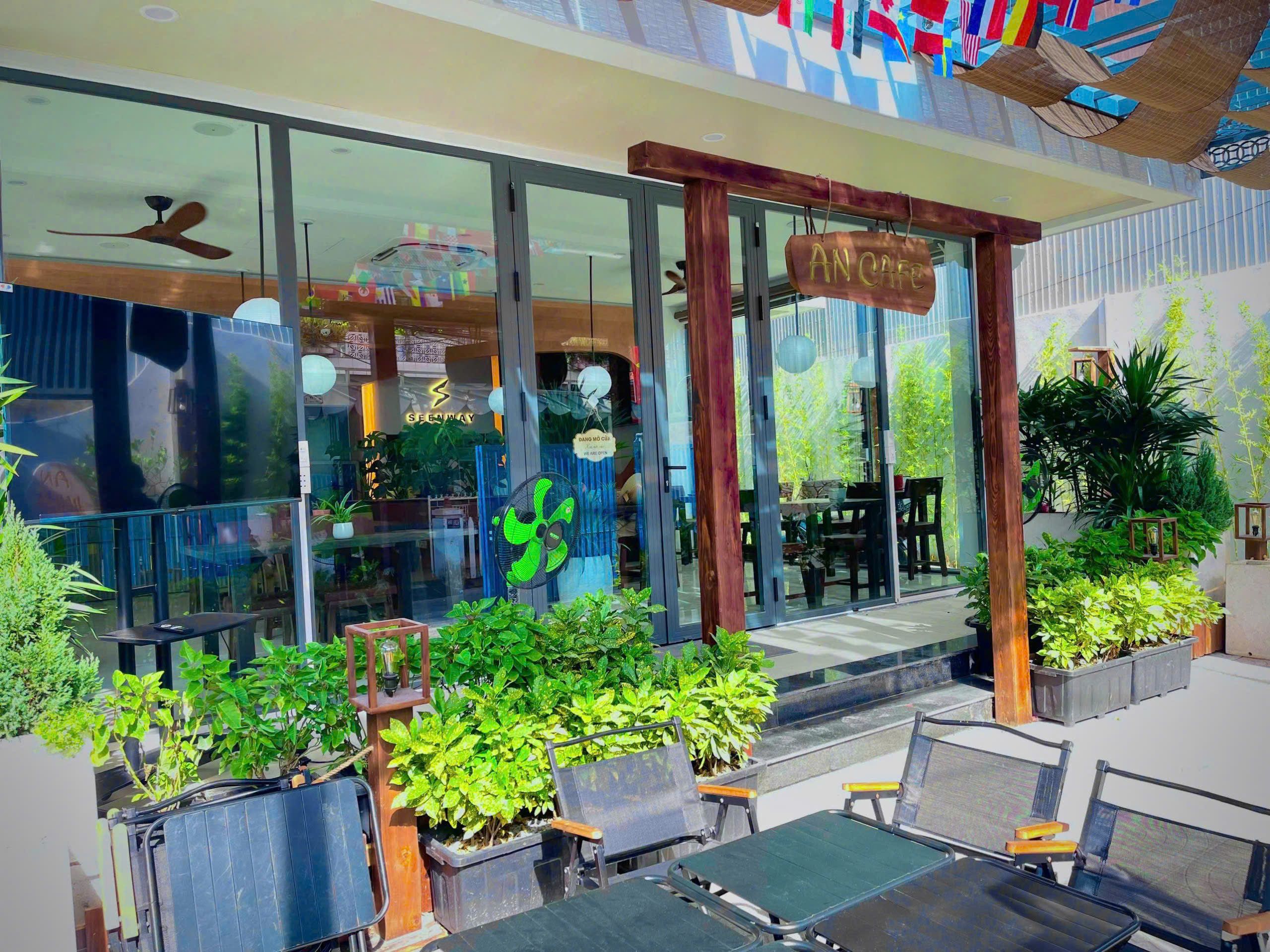
Until it opens, An Cafe on the ground floor is a good place to work. It is open every day from 07:00 to 16:00, with fast Wi-Fi, plenty of power outlets and a small terrace in front. One guest wrote in a Google review (translated from Vietnamese): “The coconut milk coffee I ordered the other day was quite nice. The space is suitable for working.” (Thu M.)
For a longer stay, the apartments at An Space start from six weeks, and every apartment has a desk for working. The Han River is a 2-minute walk away, so a riverside stroll is the natural end of a work day.
Want to be among the first at the desk? Add your name to the An Space coworking waitlist, and we will let you know as soon as the doors open.
FAQ: coworking spaces in Vietnam
Are there coworking spaces in every city in Vietnam?
Coworking spaces in Vietnam are easy to find in Hà Nội, Hồ Chí Minh City and Đà Nẵng. Smaller towns such as Hội An or Đà Lạt have fewer dedicated spaces, and many remote workers there use cafés or a desk at home. Check the internet and opening hours before you commit.
How much does a coworking space in Vietnam cost?
Prices for coworking in Vietnam vary a lot between cities, areas and membership types. A day pass is the easiest way to try a space, and monthly plans usually suit longer stays. Compare current rates directly with each space.
Is it better to work from a café or a coworking space in Vietnam?
Cafés are cheap and pleasant for short sessions, but noise, outlets and chairs become a problem over a full day. A coworking space in Vietnam offers reliable internet, ergonomic desks and quiet booths for calls. Many remote workers combine both.
Do I need a passport to buy a SIM card for remote work in Vietnam?
Yes. Under Decree 163/2024/ND-CP, foreigners register a mobile subscription with a passport valid for their stay in Vietnam. Bring the original passport to the shop and register the SIM in your own name.
Is there a digital nomad visa for remote work in Vietnam?
No, as of October 2026 Vietnam has no dedicated digital nomad visa. Most remote workers use the e-visa of up to 90 days, introduced for all nationalities in August 2023. Whether remote work is allowed on your visa is your own responsibility, so check the rules before you travel.
What time zone is Vietnam in for remote work calls?
Vietnam runs on UTC+7 all year and does not use daylight saving time, so the gap to your clients only changes when their clocks change. Check that your coworking space is open at your call times.
When does the coworking at An Space in Đà Nẵng open?
The coworking in Đà Nẵng at An Space is opening soon, but the date is not decided yet. Join the waitlist on our coworking page to hear first. Residents of An Space can use their own section for free.
Can I work at An Cafe in Đà Nẵng until the coworking opens?
Yes. An Cafe in An Hải, Đà Nẵng, is open every day from 07:00 to 16:00, with fast Wi-Fi and plenty of power outlets. The coworking space will open right next door.
Sources
- Viet Nam News: Cafés as mobile offices, a trend requiring balance (June 2026)
- VietnamPlus: HCM City gets more co-working places (September 2024)
- VnExpress International: Đà Nẵng a rising hub for digital nomads (May 2026)
- Viet Nam News: New Đà Nẵng designated a key economic power (merger, 1 July 2025)
- Vietnamese government portal: commercial 5G from 15 October 2024
- Cần Thơ legal information portal: documents for registering a mobile subscription (Decree 163/2024/ND-CP, Article 17, in Vietnamese)
- Luật Minh Khuê law firm: Vietnam’s time zone (Decision 121-CP of 1967, in Vietnamese)
- Viet Nam News: e-visas for all foreign arrivals (Resolution 127/NQ-CP)
- Official e-visa portal of Vietnam
- Danang Fantasticity (Da Nang Tourism Promotion Center): weather in Đà Nẵng
Note: this guide is general information, not legal or immigration advice. Visa rules, fees and local regulations change. Always check the official sources linked in this article before you travel or sign anything.
All guides